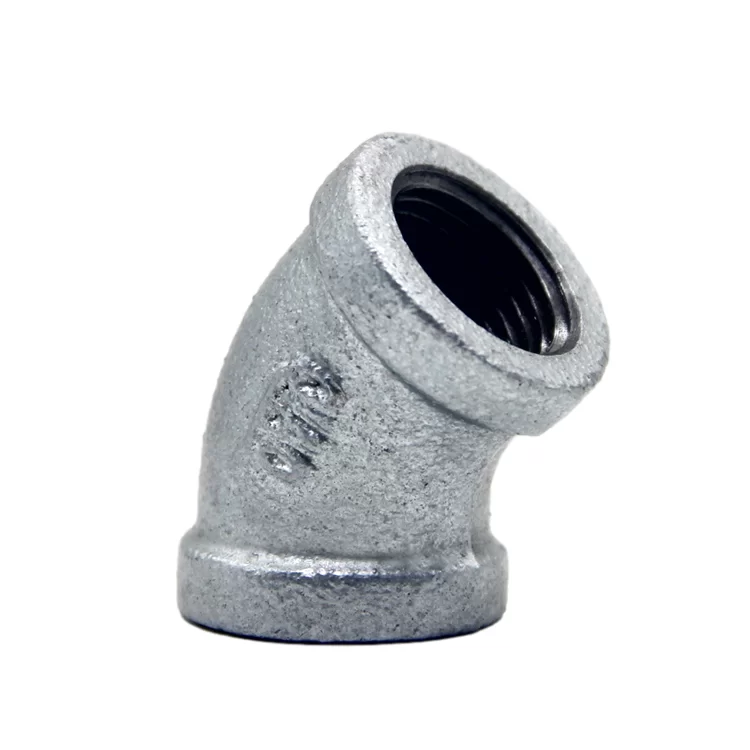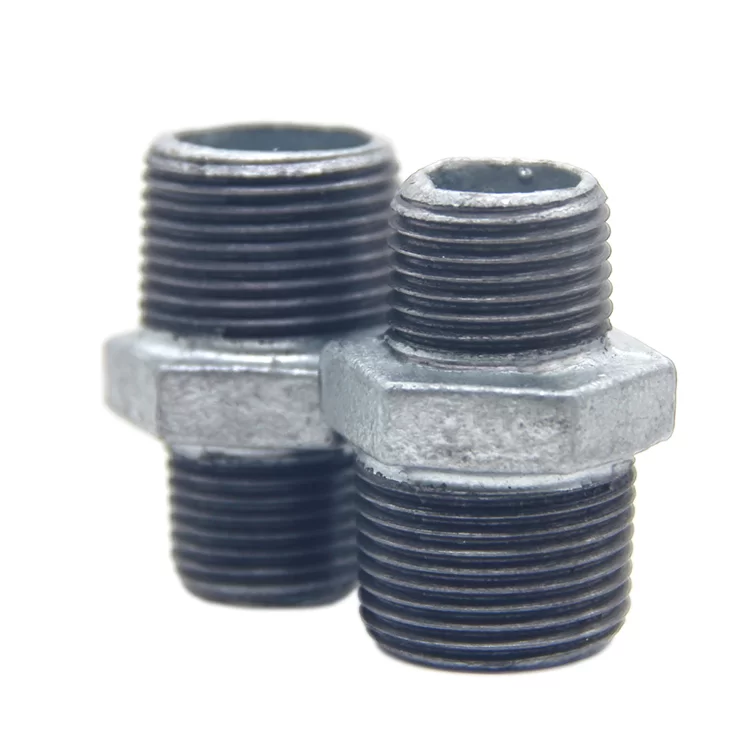
In fire protection systems, pipe fittings play a crucial role in building a "life-saving network," ensuring that extinguishing media (water or gas) can be delivered quickly, accurately, and reliably to critical locations within the fire scene. Their application permeates all levels of the system, fundamentally guaranteeing its effectiveness.
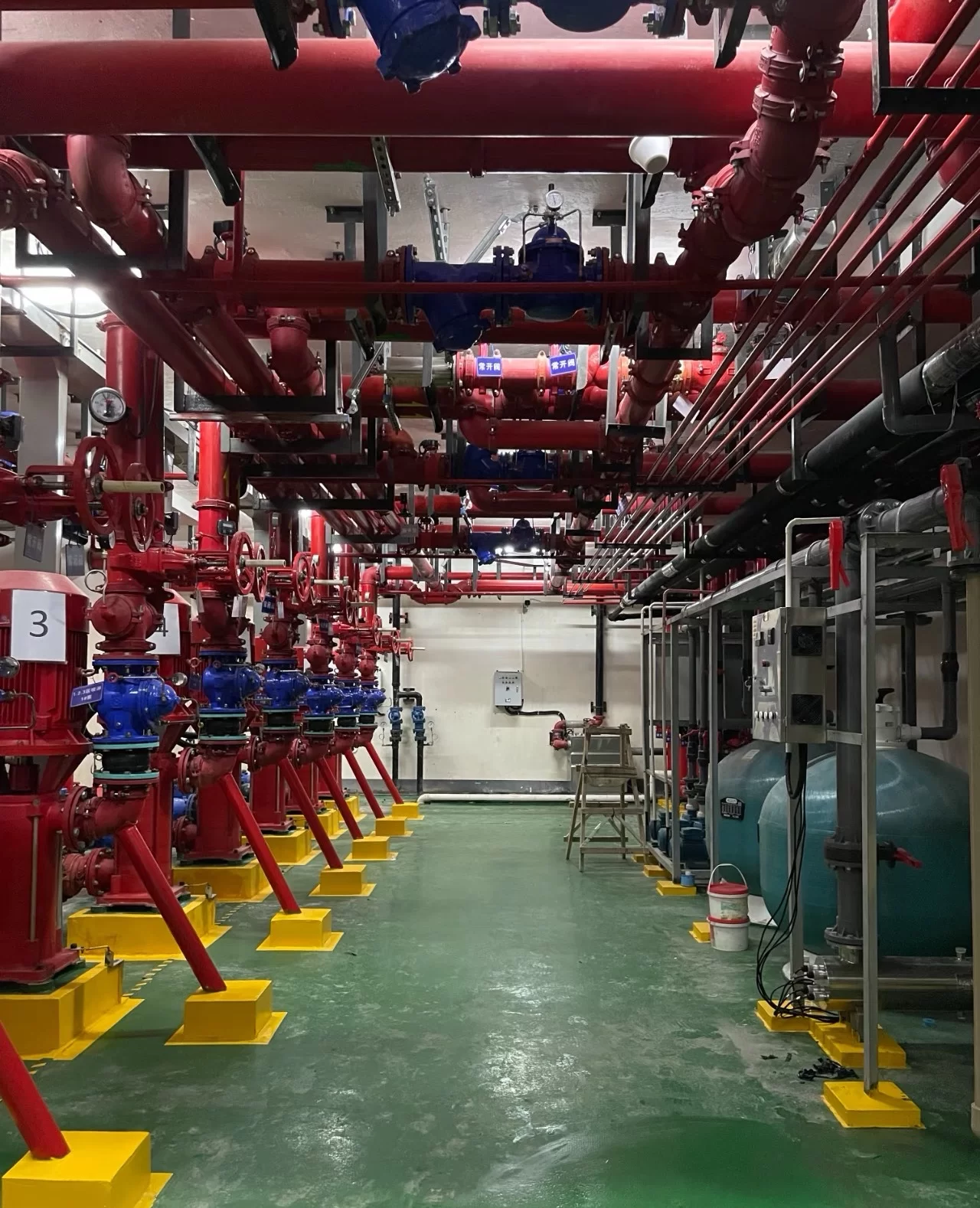
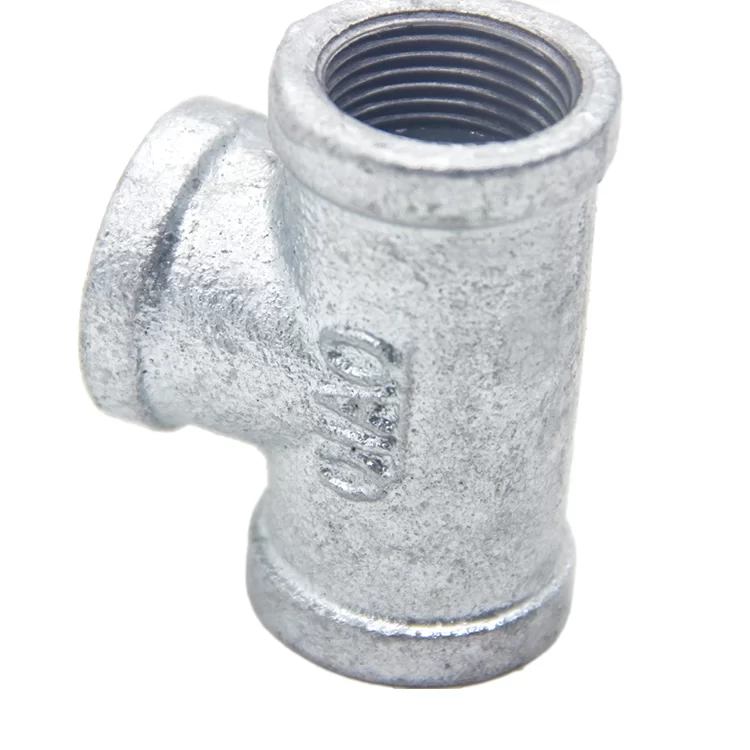
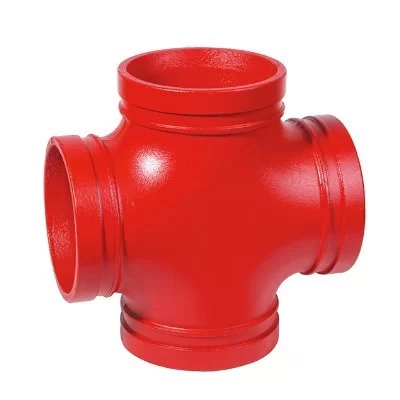
Firstly, in the core construction of the fire protection piping network, pipe fittings form the system's skeletal connectors. Through flanges, grooved clamps, threaded joints, etc., fire protection pipes are securely connected into ring or branch-like networks, covering all floors and areas of the building. Elbows guide the pipes along the building structure, while tees and crosses achieve critical diversions within the network, ensuring comprehensive water supply coverage.
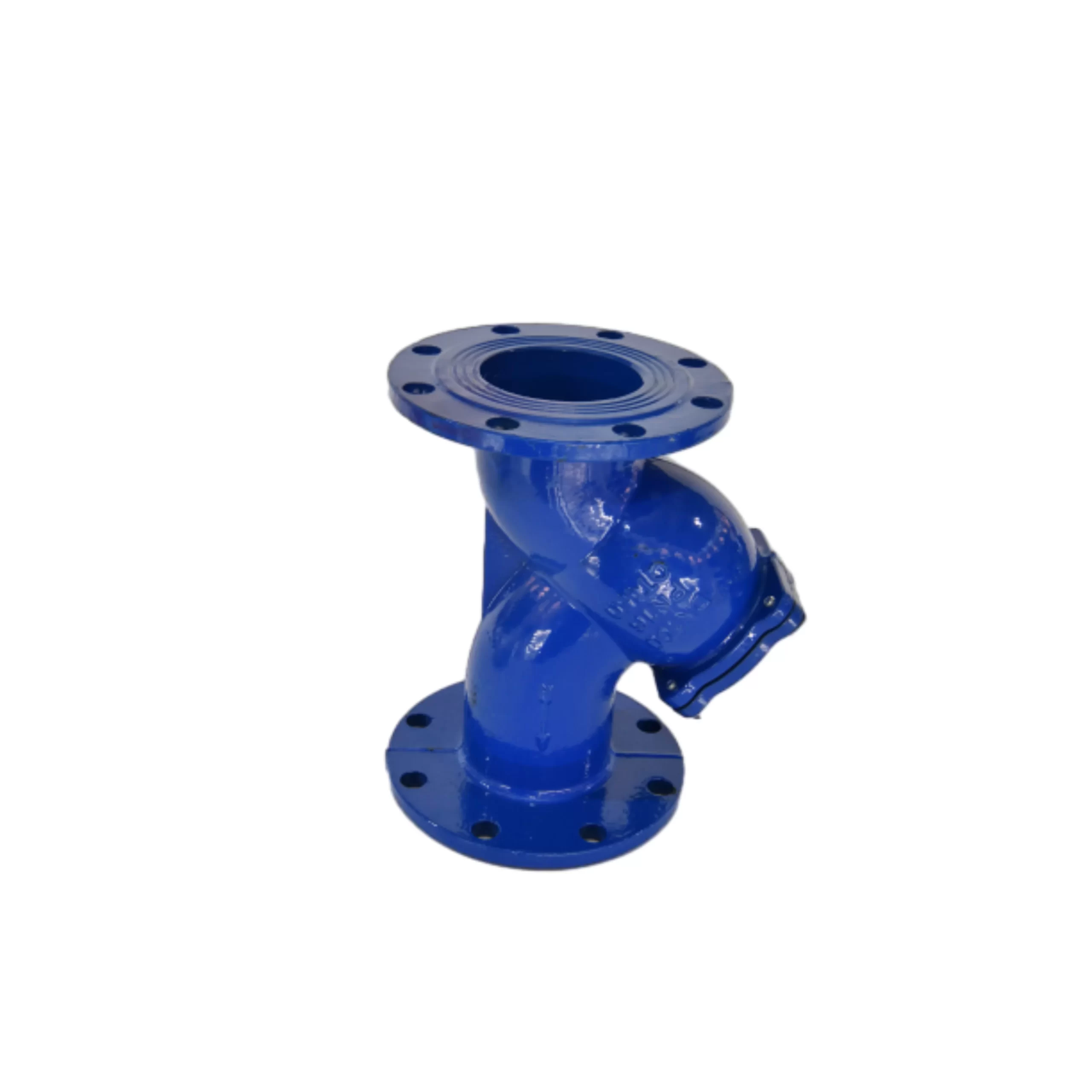
Secondly, at the critical functional control and terminal execution level, pipe fittings act as the system's "nerve endings" and "switches." This is their most core application: Control Hub: Various valves (such as gate valves, signal valves, and butterfly valves) are the core of the system's control, responsible for zone control, testing and maintenance, and emergency shut-off, ensuring that localized system maintenance does not affect overall functionality.
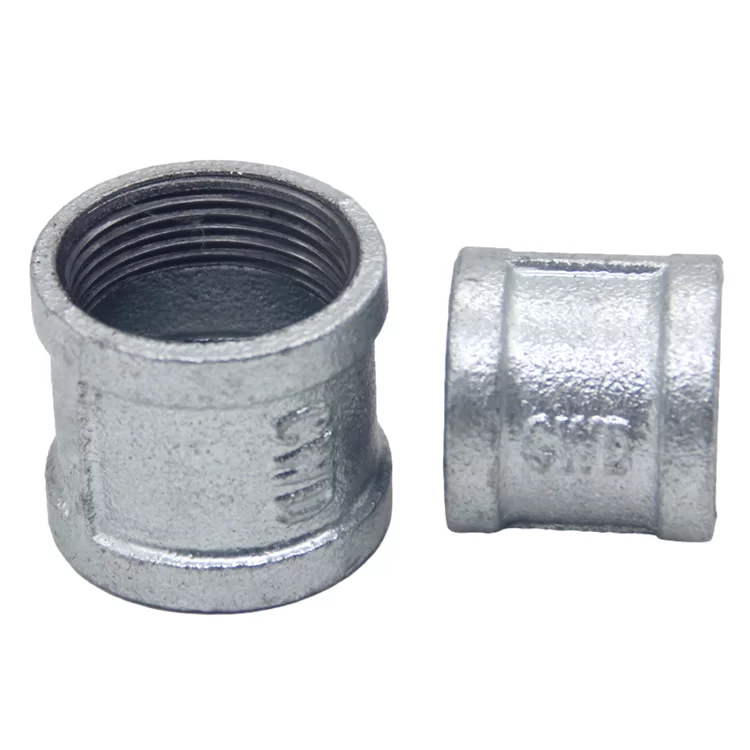
Terminal Release: In sprinkler systems, reducers and short pipes ultimately connect to the sprinkler heads; in fire hydrant systems, elbows and internal threaded connectors connect to fire hydrant boxes, hoses, and nozzles. These fittings directly convert pipeline pressure into extinguishing jets.
Furthermore, fittings also play a crucial role in ensuring system stability and safety. For example, air vents remove trapped air from pipes, preventing water hammer and obstructing water supply; drain valves facilitate system evacuation and maintenance; and expansion joints absorb stress from thermal expansion and contraction or building settlement, preventing pipeline rupture.
In summary, in fire protection systems, fittings are far more than simple connecting parts. They macroscopically construct the delivery channels for the extinguishing medium, microscopically achieve precise control and release of water flow, and silently safeguard the system's own safety and stability. These rigorously certified fittings collectively form an invisible yet vital "steel defense line" within the building, protecting life and property in times of crisis.
Dec 02,25
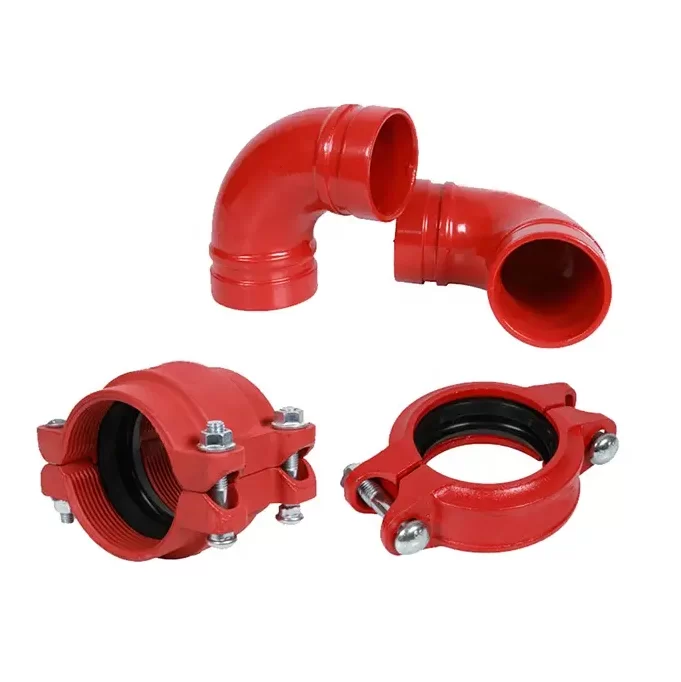
Grooved Pipe Fittings: A Revolutionary Solution For Modern Pipe Connections
Grooved pipe fittings, also known as clamp connections, are a type of piping system that uses pre-rolled or machined standard grooves on the pipe ends for rapid connection using specialized clamp assemblies.

Dec 02,25
Saudi Arabia Construction And Building Materials Exhibition 2025
The Saudi Arabia Construction and Building Materials Exhibition 2025, one of the largest and most influential construction industry events in the Middle East

Dec 02,25
Deepening Its Middle East Market Footprint
Deepening its Middle East Market Footprint, Hebei Fitting Co., Ltd. Conducts On-Site Investigation in Dubai, Leading New Opportunities in Pipeline Product Trade
bscribe newslette