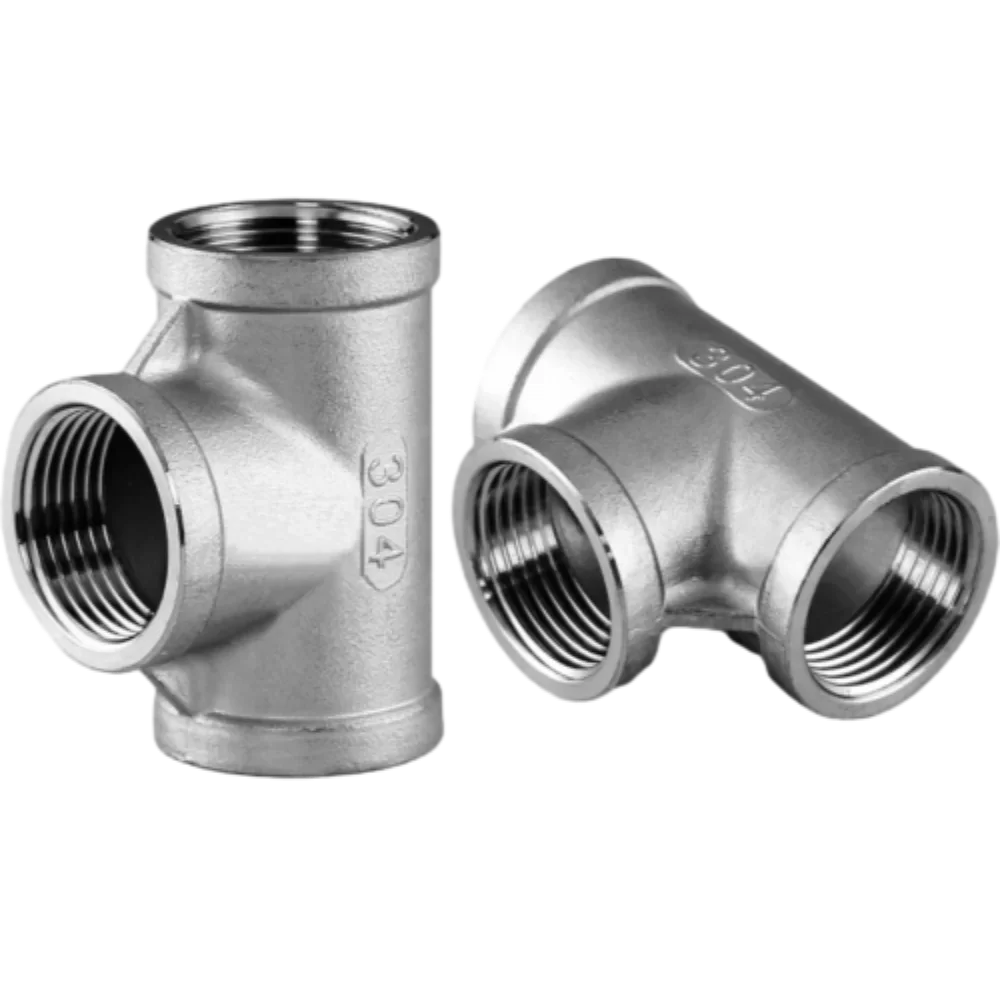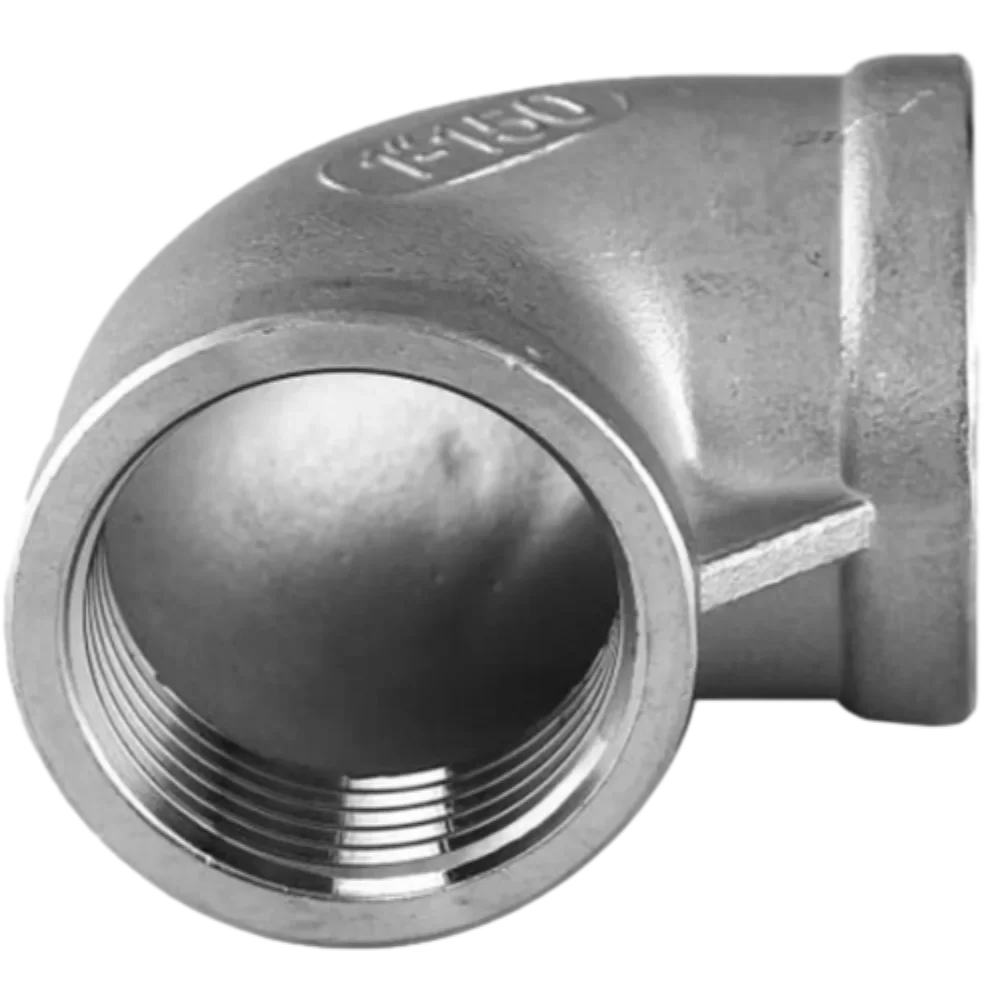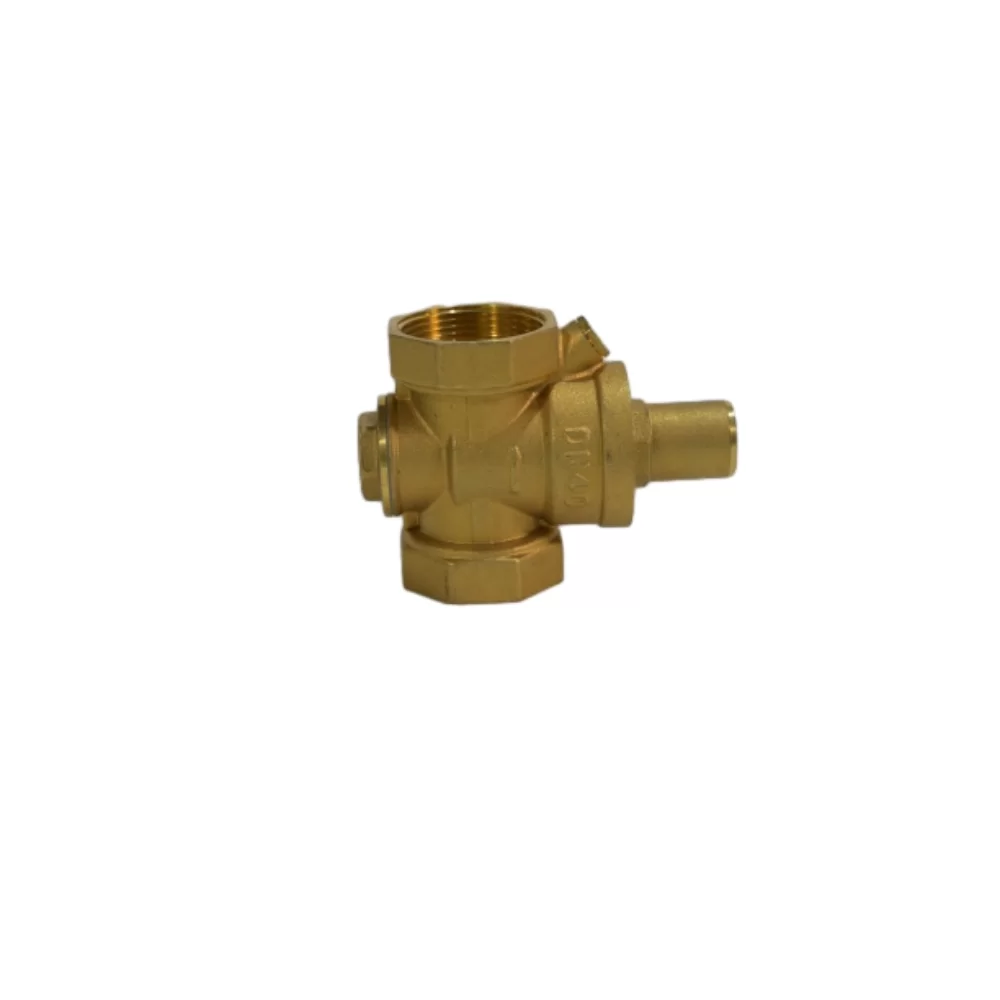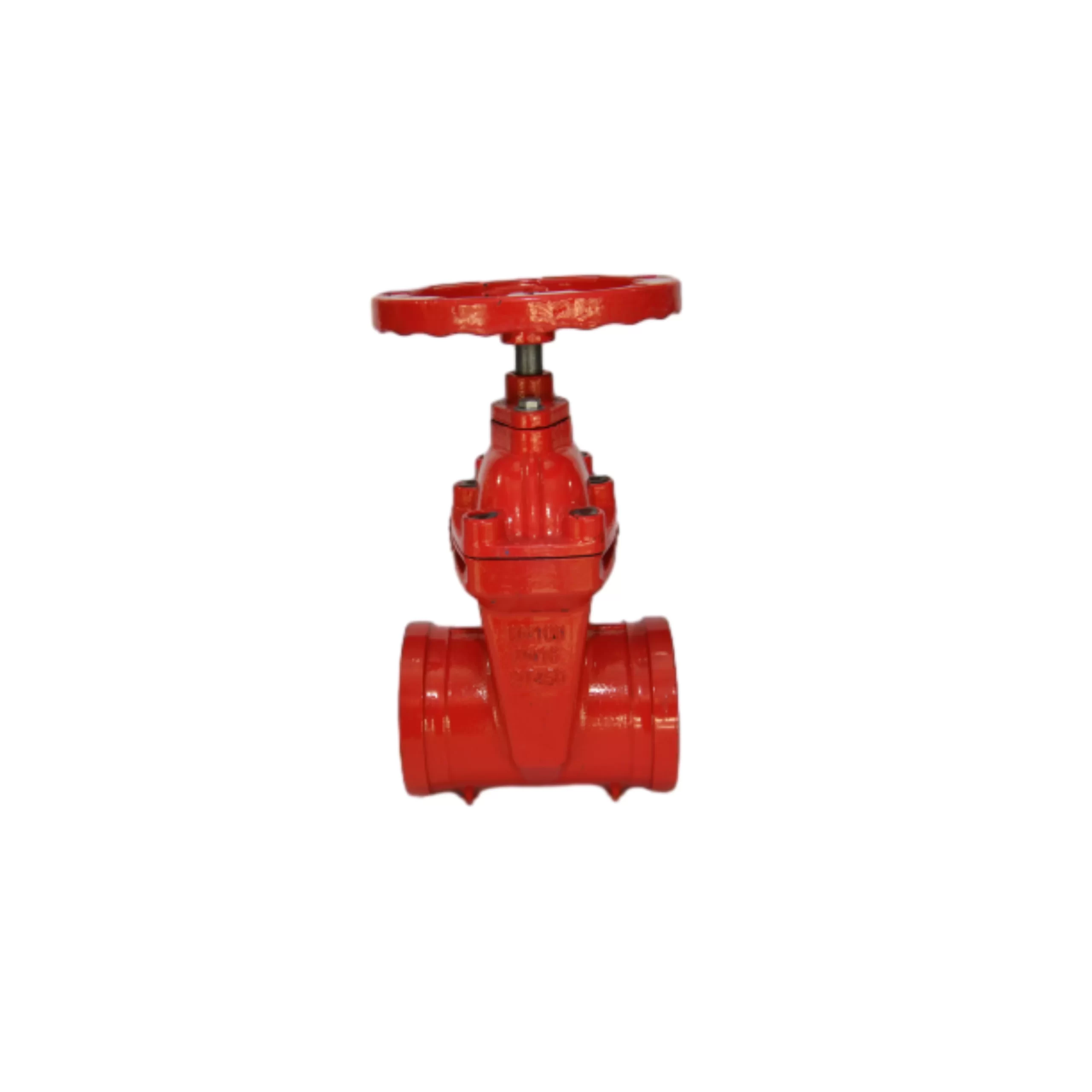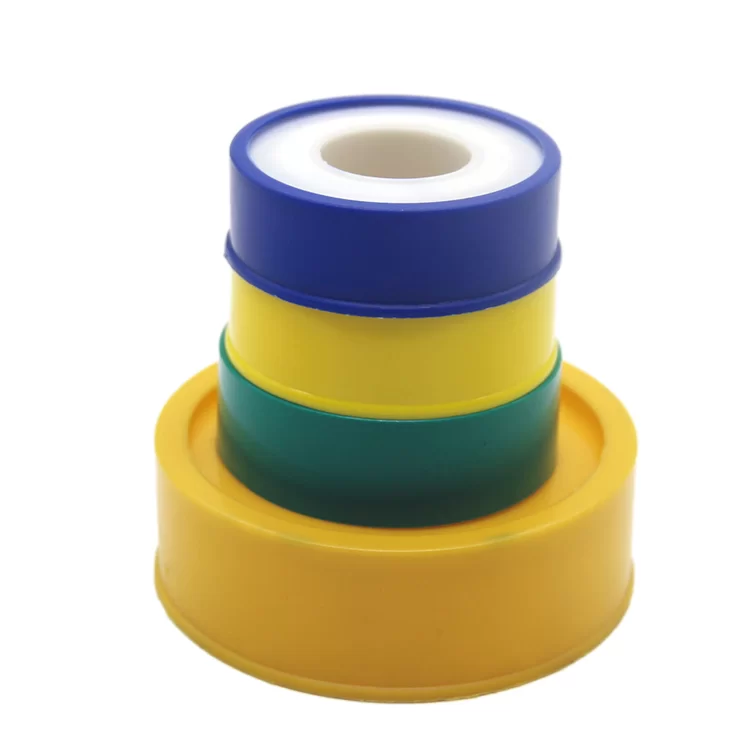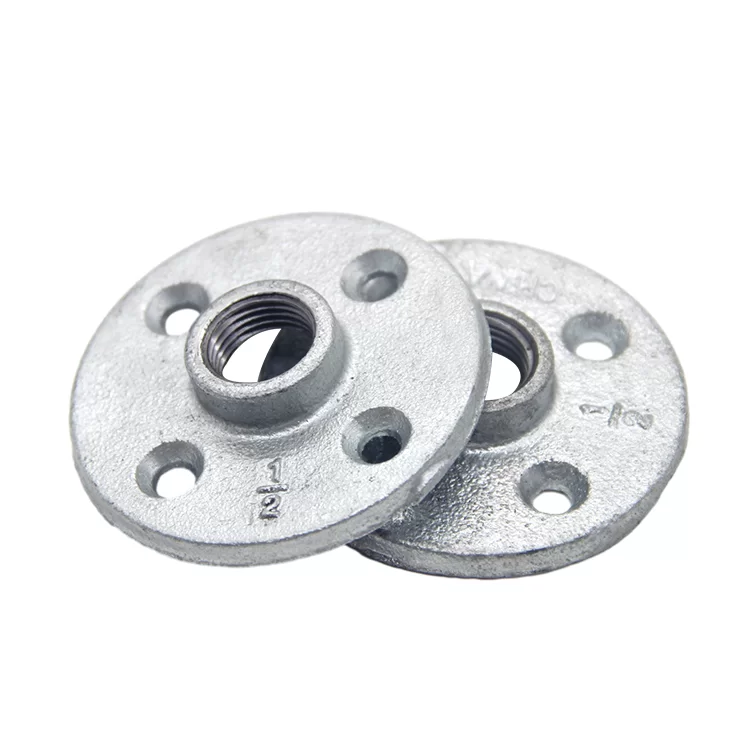
In modern water supply systems, pipes are like the "blood vessels" of a city, while pipe fittings are the key "joints" ensuring smooth connection, flexible turning, and reliable control of these vessels. Though inconspicuous, they play a decisive role in the function, safety, and efficiency of the entire system.
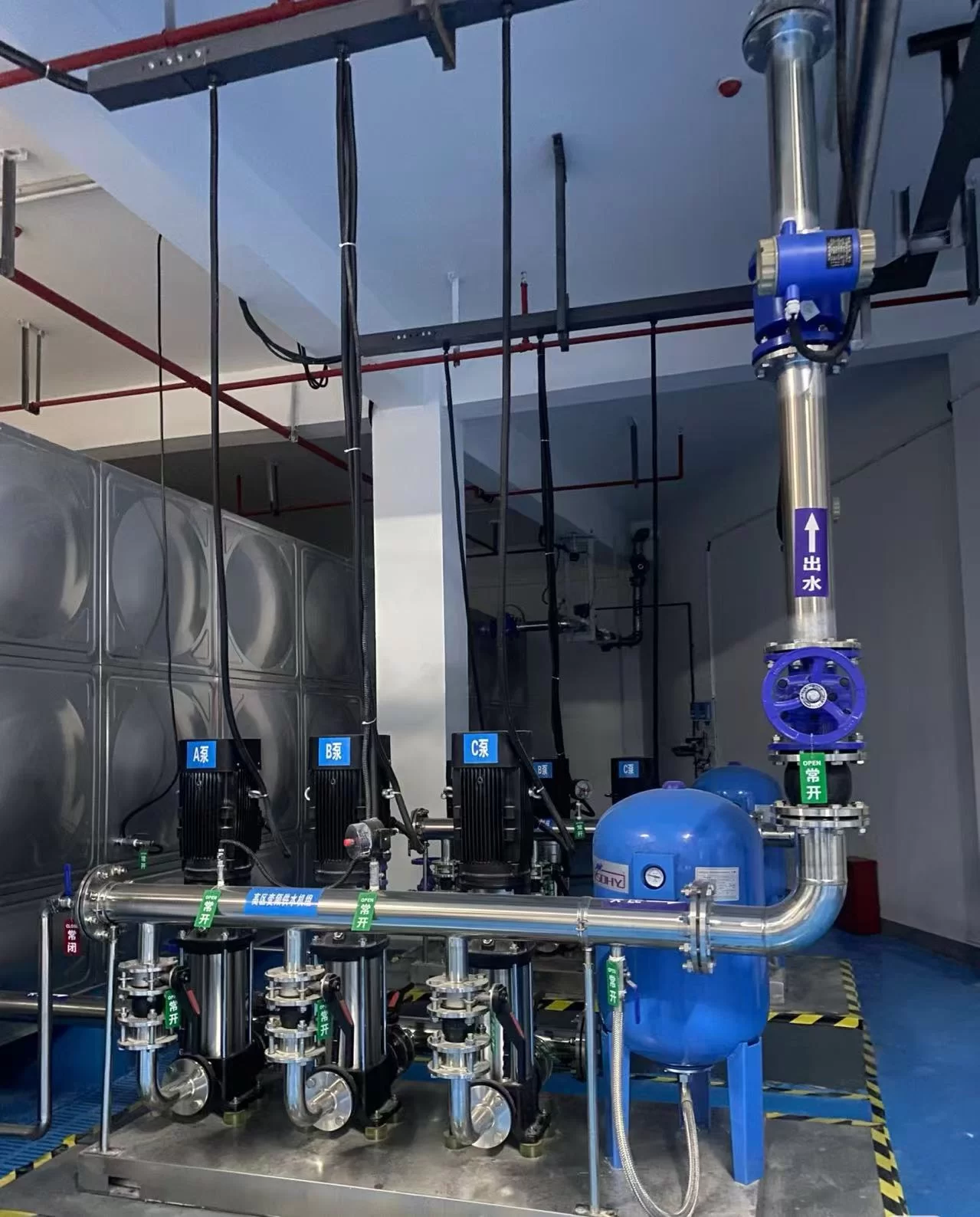
The core applications of pipe fittings are mainly reflected in the following aspects:
First, connecting and extending the pipe network. This is the most basic function of pipe fittings. Through connectors such as straight sections, joints, and flanges, standard-length pipes are firmly spliced together to build a vast transportation network from water plants to households. Without them, the pipeline system cannot exist.
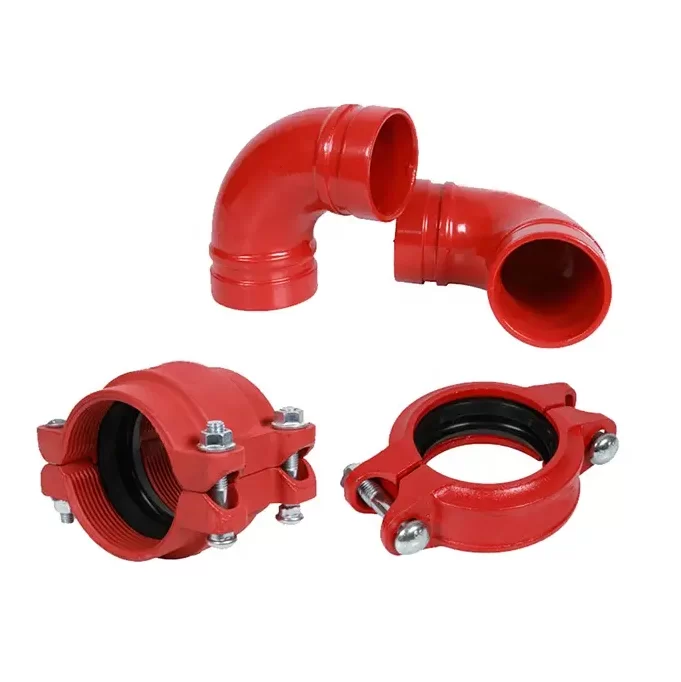
Second, guiding and controlling the direction of water flow. Water supply networks are not straight lines and need to be flexibly laid out according to terrain and buildings. Elbows are used to change the direction of pipes; tees and crosses are used for branching or merging, realizing branch water supply. Valves (such as gate valves and ball valves) are the "switches" of the system, responsible for opening and closing, regulating flow and pressure, and are key components for maintenance, zoning management, and water conservation.
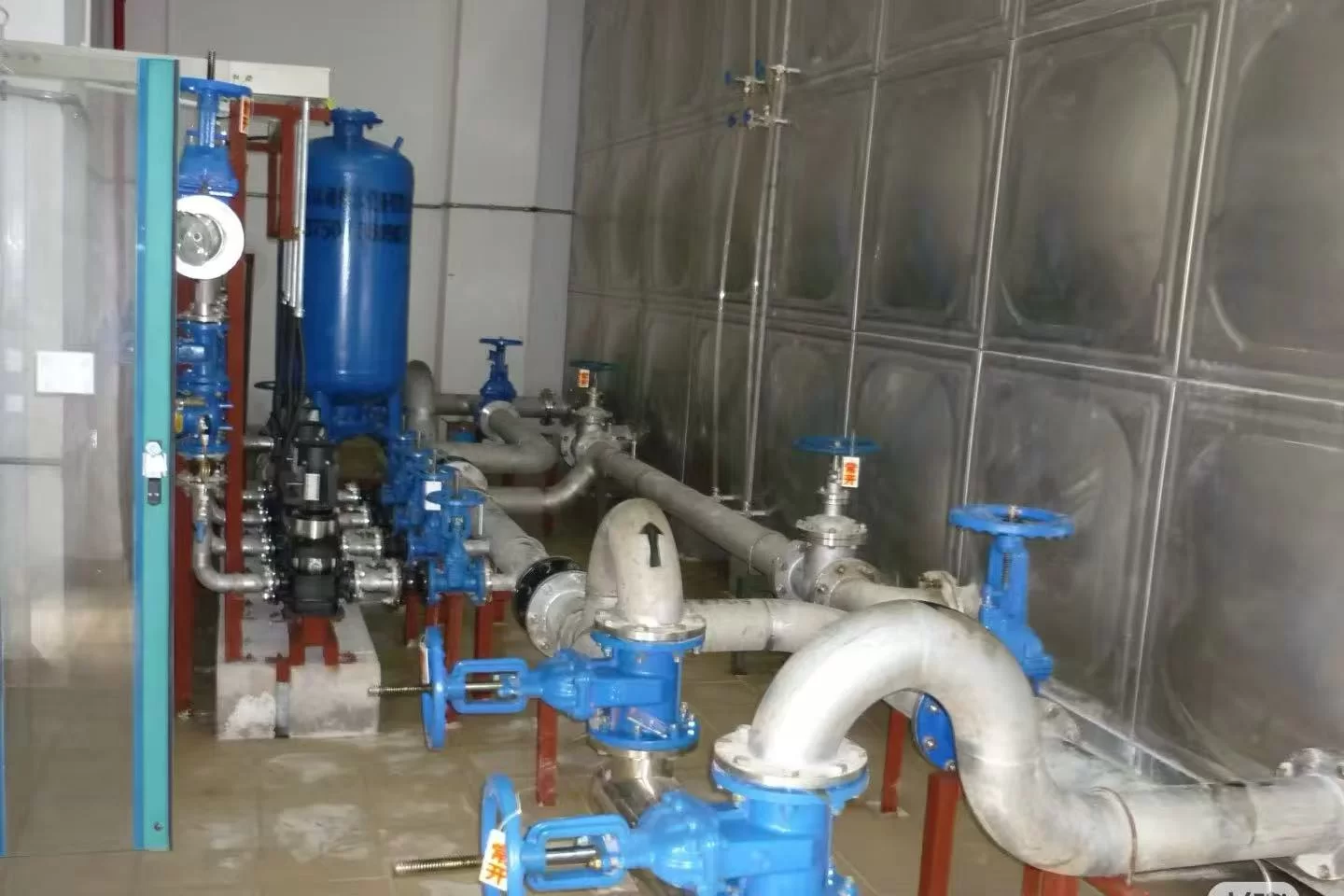
Furthermore, responding to system changes and ensuring safety. Pipelines expand and contract due to temperature and pressure; expansion joints/compensators absorb these displacements, preventing pipe deformation and cracking. Where pipe diameter changes, reducers/eccentric reducers smoothly transition between pipe sizes, optimizing hydraulic conditions. Furthermore, air vents remove air from the pipes to prevent airlocks; drain valves facilitate system purging and maintenance.
Finally, fittings adapt to end-user needs. Various threaded joints, unions, and plugs are used when connecting to user water meters, faucets, or equipment, making the final connection flexible, removable, and easy to install and maintain.
In short, pipe fittings are an indispensable component of water supply systems. They ensure the structural integrity, functionality, safety, and maintainability of the pipe network. From the macroscopic main pipeline network to the microscopic household connections, these carefully designed and manufactured "joints" work together to maintain the safe, stable, and efficient delivery of clean water.

Dec 02,25
Saudi Arabia Construction And Building Materials Exhibition 2025
The Saudi Arabia Construction and Building Materials Exhibition 2025, one of the largest and most influential construction industry events in the Middle East

Dec 02,25
Deepening Its Middle East Market Footprint
Deepening its Middle East Market Footprint, Hebei Fitting Co., Ltd. Conducts On-Site Investigation in Dubai, Leading New Opportunities in Pipeline Product Trade
Dec 02,25
Grooved Pipe Fittings: A Revolutionary Solution For Modern Pipe Connections
Grooved pipe fittings, also known as clamp connections, are a type of piping system that uses pre-rolled or machined standard grooves on the pipe ends for rapid connection using specialized clamp assemblies.
bscribe newslette